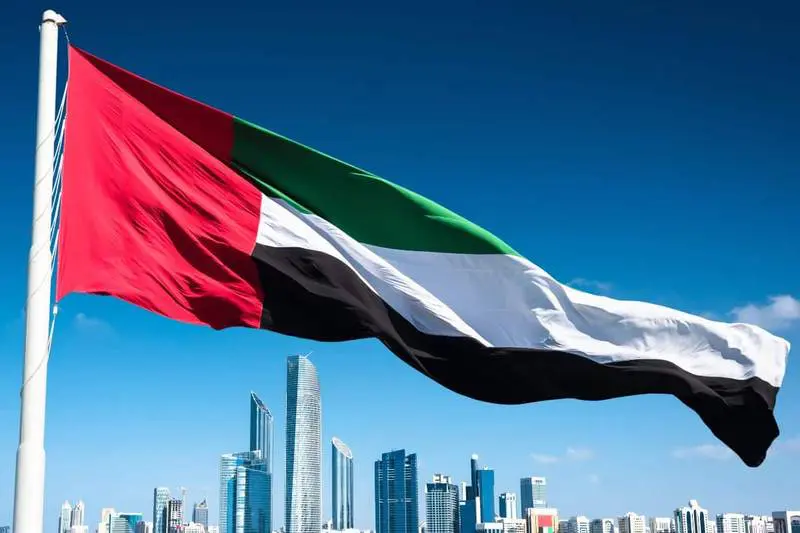
Dubai is often seen through the lens of its awe-inspiring skyscrapers, ultra-luxurious lifestyle, and futuristic infrastructure. But behind the steel and glass lies a profound commitment to preserving its Emirati cultural roots — a tapestry woven with Bedouin traditions, Islamic values, and centuries of resilience in the desert. This cultural soul is not only maintained but celebrated across the city, offering visitors a unique opportunity to witness a society that’s proudly holding onto its identity while leading the world in innovation.
🏜️ Al Fahidi Historical District – Dubai’s Living Time Capsule
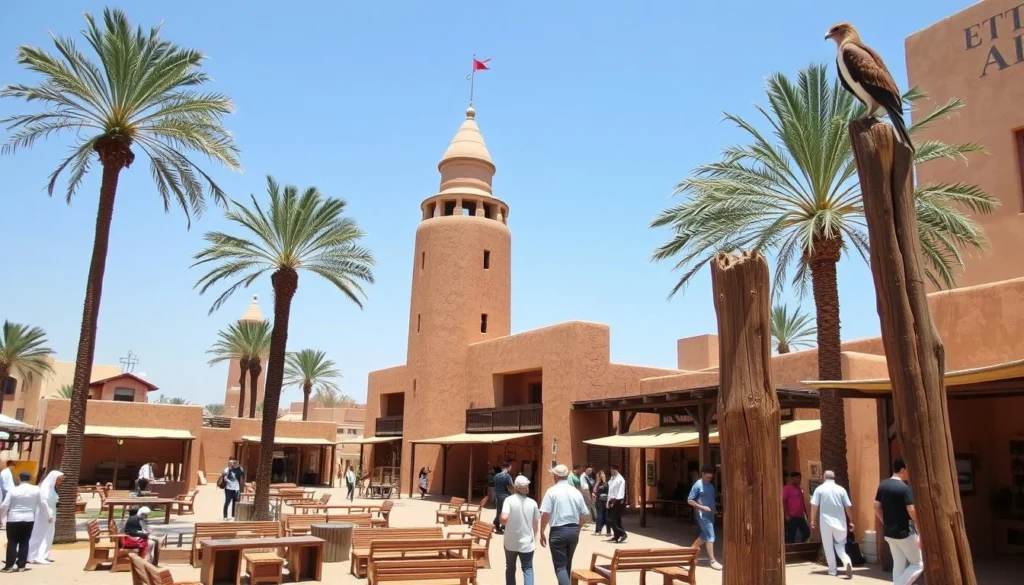
In the heart of the city, Al Fahidi Historical Neighbourhood (formerly Bastakiya) offers an authentic glimpse into Dubai’s 19th-century life. With narrow lanes, wind towers (called barjeel), and restored coral-stone buildings, this district reflects what life looked like before the oil boom.
Here, traditional Emirati architecture meets community-driven art spaces and museums. The Dubai Museum, located in the historic Al Fahidi Fort, chronicles Dubai’s transformation from a pearl-diving village to a global metropolis. Nearby, the Coffee Museum, Calligraphy House, and Coin Museum provide cultural context and hands-on experiences that bring the past to life.
🕌 The Role of Islamic Values in Cultural Preservation
Islam plays a central role in shaping Dubai’s cultural landscape. The five daily calls to prayer, Ramadan observances, modest dress codes, and emphasis on hospitality reflect the moral and social foundations of the Emirati way of life.
Visitors are welcome to explore this aspect of local culture respectfully. The Jumeirah Mosque, one of the most iconic mosques in the UAE, offers guided tours through the Sheikh Mohammed Centre for Cultural Understanding (SMCCU). These experiences are rich in insight, focusing on Emirati traditions, religion, and day-to-day life—encouraging open dialogue under the motto “Open Doors. Open Minds.”
🤝 Hospitality as a Cultural Institution
Hospitality isn’t just a social norm in Dubai—it’s a sacred cultural principle. Guests are traditionally greeted with qahwa (Arabic coffee) and fresh dates, served with a warm smile. The act of welcoming someone into your home or majlis is a matter of honor, and this generosity is embedded in both private and public life.
Even in business or public events, the tone is one of graciousness and inclusion. The majlis system—informal sitting areas used for community discussions—still plays a role in politics and daily interaction among elders.
🎉 Cultural Events and Festivals: Where the Old Comes Alive
Dubai hosts several annual festivals and events aimed at keeping its culture vibrant and visible.
- UAE National Day (December 2): Streets come alive with parades, traditional dances, fireworks, and cultural exhibitions.
- Al Marmoom Heritage Festival: This desert celebration showcases camel racing, falconry, traditional cooking, and handicrafts.
- Dubai Heritage Week: Held in heritage sites, this event includes storytelling sessions, musical performances, and ancient games, giving children and adults alike a chance to engage with the past.
Each of these events emphasizes the importance of family, storytelling, craftsmanship, and history—cornerstones of Emirati identity.
🛍️ Souks and Traditional Markets – Preserving Trade Heritage
Before malls became the norm, trade in Dubai took place in bustling souks (markets). These still thrive today in neighborhoods like Deira and Bur Dubai, where you’ll find the Gold Souk, Spice Souk, and Textile Souk.
These markets not only sell goods—they also preserve the heritage of bartering, merchant life, and craftsmanship that defined Dubai’s early economy. Walking through a souk is like stepping into history, with scents of oud and saffron, the sparkle of handcrafted jewelry, and shopkeepers who pass down family trade secrets through generations.
🐪 Traditional Sports & Heritage Practices
Beyond shopping and sightseeing, Dubai encourages participation in heritage sports and traditional activities.
- Camel Racing: An age-old pastime still hugely popular today. Races at Al Marmoom Camel Racetrack draw large crowds and offer a thrilling view of desert traditions in motion.
- Falconry: Recognized by UNESCO, this practice illustrates the deep connection between humans and animals in desert survival. Falconry displays can be experienced at cultural festivals and desert safaris.
- Dhow Sailing: Celebrating Dubai’s maritime past, these traditional boats are featured in races and harbor festivals, paying tribute to the city’s pearl diving and trading history.
🎨 Cultural Institutions and Artistic Expressions
Dubai supports cultural education through state-backed initiatives. The Dubai Culture & Arts Authority plays a vital role in preserving heritage sites and empowering local artists. The authority works closely with schools, universities, and tourism organizations to integrate Emirati culture into modern life.
Art galleries, particularly in Alserkal Avenue, host exhibitions where traditional Arabic calligraphy meets modern art. Fashion designers incorporate khaleeji motifs and modest silhouettes, redefining how local culture influences contemporary style.
🍽️ Emirati Cuisine – A Flavorful Journey Through History
Food is a major cultural touchstone. Traditional Emirati dishes are being reintroduced to modern palates through upscale restaurants and community events. Some must-try dishes include:
- Machboos: A spiced rice dish with lamb or chicken.
- Harees: A wheat-and-meat porridge usually served during Ramadan.
- Luqaimat: Sweet dumplings drizzled with date syrup.
You’ll find authentic Emirati food experiences at places like Al Khayma Heritage Restaurant, SMCCU cultural meals, and Al Fanar Restaurant & Café—where ambiance and flavors come together to tell stories of the past.
🌍 Why Cultural Preservation Matters in a Global City
As Dubai continues to evolve, it serves as a powerful case study in cultural sustainability. By actively investing in heritage infrastructure, education, and public events, the city ensures that future generations stay connected to their roots.
For tourists, this balance of tradition and modernity offers a rich, multi-layered experience. You’re not just visiting a futuristic city—you’re stepping into a living narrative of resilience, identity, and pride.
📝 Final Thought: Experience the Culture, Don’t Just Observe It
When you travel to Dubai, don’t just stick to the malls and luxury hotels. Venture into Al Fahidi, sip coffee in a traditional majlis, catch a camel race, or share a meal with an Emirati host. Culture here isn’t confined to museums—it’s alive in the streets, the flavors, the conversations, and the festivals.
To understand Dubai fully, you must experience the old alongside the new—because one cannot exist without the other.